

 Cultural Couture
 Bespoke Bridal
 Ready-To-Wear
 Legacy Brides Initiative
Uncategorized
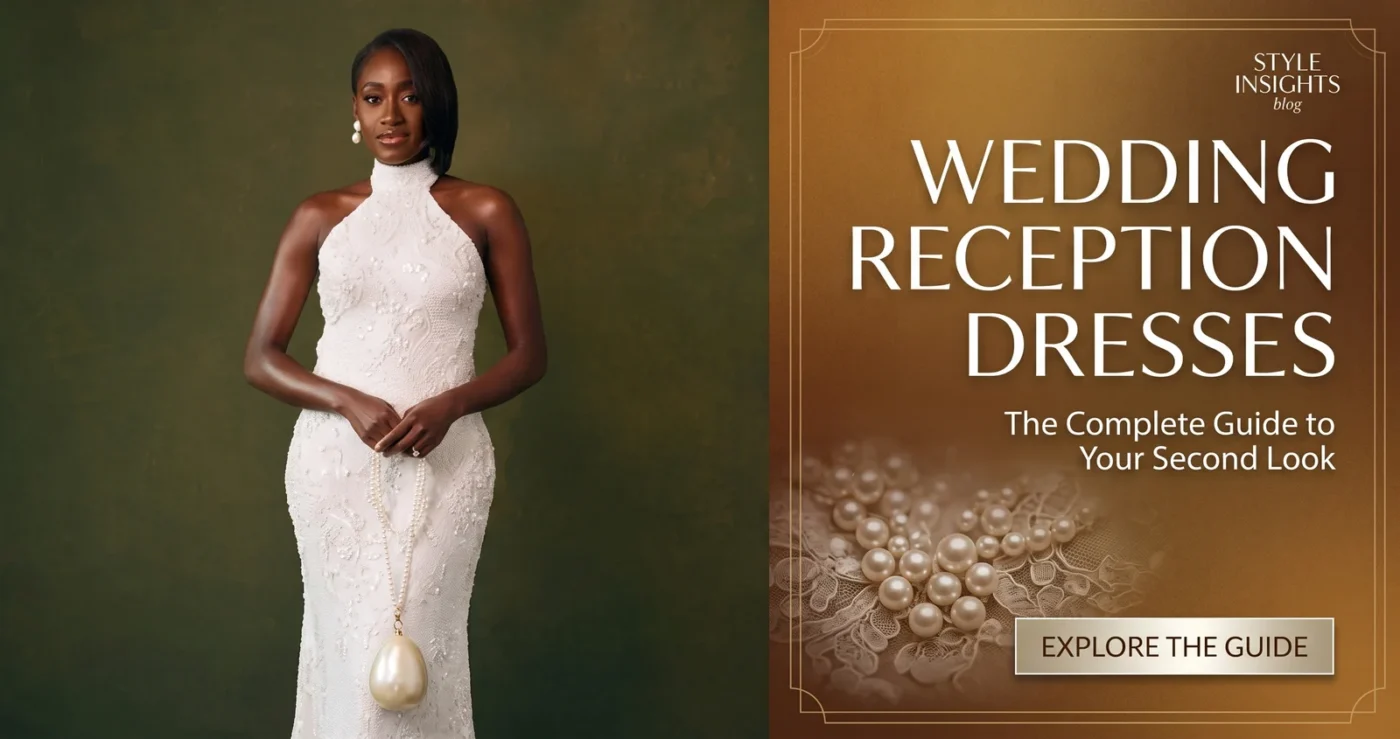
Wedding Reception Dresses for the Bride: How to Choose Your Second Look
Aug
Bridal · The Reception Look
The ceremony is the part you plan. The reception is the part you remember. It is where the formalities end, the music starts, and you finally get to enjoy your own wedding, which is exactly why the dress you wear for it deserves as much thought as the one you walked down the aisle in.
A reception dress, also called a second dress or a bridal second look, is the outfit you change into after the ceremony for the celebration. This guide covers everything worth knowing: what a reception dress is, whether you need one, the styles and colours brides are choosing right now, how to pick the right one for your day, and how to have a reception dress made to your exact measurements and shipped to you anywhere in the world.
In this guide
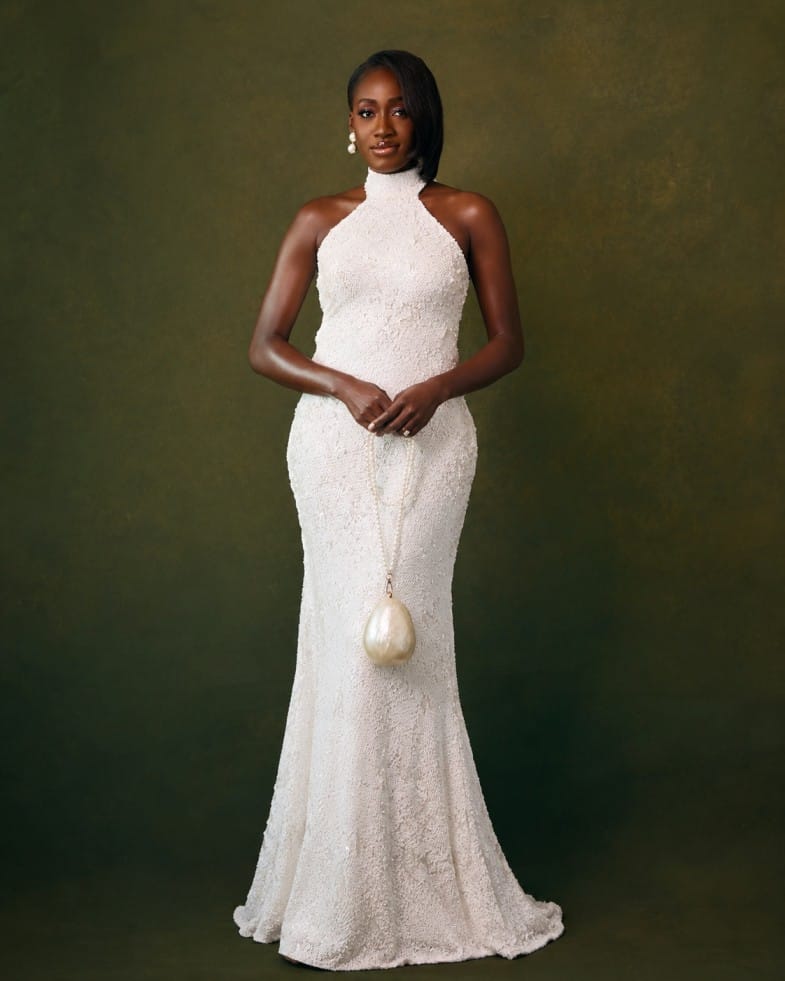
What a wedding reception dress is
A wedding reception dress is the second outfit a bride wears on her wedding day, changed into after the ceremony for the reception and the party that follows. The ceremony gown carries the formal moments: the vows, the aisle, the portraits. The reception dress carries the celebration: the grand entrance, the first dance, the toasts, and hours of dancing. It is usually lighter, easier to move in, and a little more expressive of personal style.
Changing into a second look has moved from a rare touch to a mainstream part of modern weddings. Bridal houses now design reception dresses as their own category, and 2026 collections lean hard into it, with short silhouettes, convertible designs, and colours beyond white all built specifically for the after-party.
A reception dress is the bride’s second look, worn for the party after the ceremony. Most brides change after dinner or before the first dance into something lighter and easier to move in: a short or tea-length dress, a satin slip, a fitted gown, a jumpsuit, or a two-piece. It can be white or any colour. You can buy one off the rack, or have one made to your exact measurements in the style and colour you want and shipped to you anywhere in the world.
Do you need a separate reception dress?
You do not have to have one. If your ceremony gown is comfortable enough to dance in and you love it too much to change, keep it on all night. But there are real reasons the second dress has become so popular, and it helps to see the two looks side by side.
| Ceremony gown | Reception dress | |
|---|---|---|
| Its job | The vows, the aisle, the formal portraits | The entrance, the first dance, the party |
| Silhouette | Often structured, with a train and volume | Lighter, fitted or fluid, easy to move in |
| Comfort | Built for presence, not hours of dancing | Built for celebrating late into the night |
| Most photographed by | Your photographer, in posed shots | Every guest, all night, on every phone |
| Personality | Classic and bridal | Where your own style comes through |
If more than one of those reception columns is a firm yes for you, a second dress is worth it. It is the difference between managing the best part of your day and fully living in it.
Reception dress styles brides are choosing now
There is no single right answer, only the look that fits your venue, your body and how you want to feel when the formality falls away. These are the directions defining reception dresses right now, and every one of them can be made to your measurements rather than bought off a rack that never quite fits.
Short, tea-length and midi
The biggest reception story of the moment. Above-the-knee minis, mid-calf tea-length, and just-below-the-knee midi all read fresh and let you move. In a bridal fabric like silk crepe or embroidered tulle they still read unmistakably bridal, while a satin mini feels more like a party dress. The length is your call, the fabric decides the mood.
The satin slip and bias cut
Sleek, fluid and quietly sexy. A bias-cut satin slip skims the body, feels light for a warm venue or a long evening, and photographs beautifully in motion. It is the effortless end of the reception spectrum.
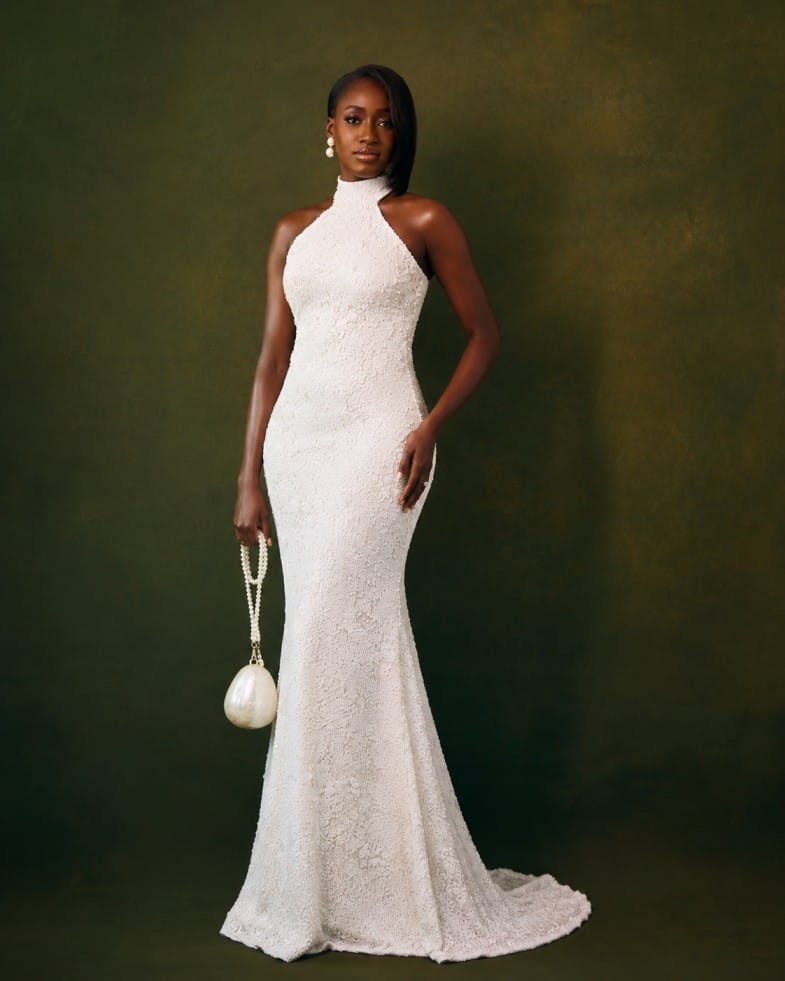
The fitted mermaid or column
For a bride who wants glamour that still moves. A sculpted silhouette with a soft flare holds a room on your entrance and lets you dance without a heavy skirt to manage. Open backs, halter necklines and hand-finished texture make it feel modern rather than formal.
The jumpsuit and the two-piece
The reception is the natural home of the bridal jumpsuit and the separates look. A tailored jumpsuit reads confident and lets you move completely freely. A two-piece, a top with a skirt or trousers, gives you a fashion-forward second look you can restyle again after the wedding.
Convertible and modular designs
One of the strongest bridal trends of 2026 is the dress that transforms. A detachable overskirt, removable train, or convertible bodice lets a single design shift from a formal ceremony look to a lighter reception one. It is the practical middle path for a bride who wants two effects without two full outfits.
Statement details and cultural looks
This is where the reception look gets personal: a dramatic cape, an oversized bow, feathers, sculpted corsetry, or a heritage look in hand-beaded ivory and gold. A reception dress is the one place on the wedding day designed purely to express who you are, so the boldest ideas belong here.
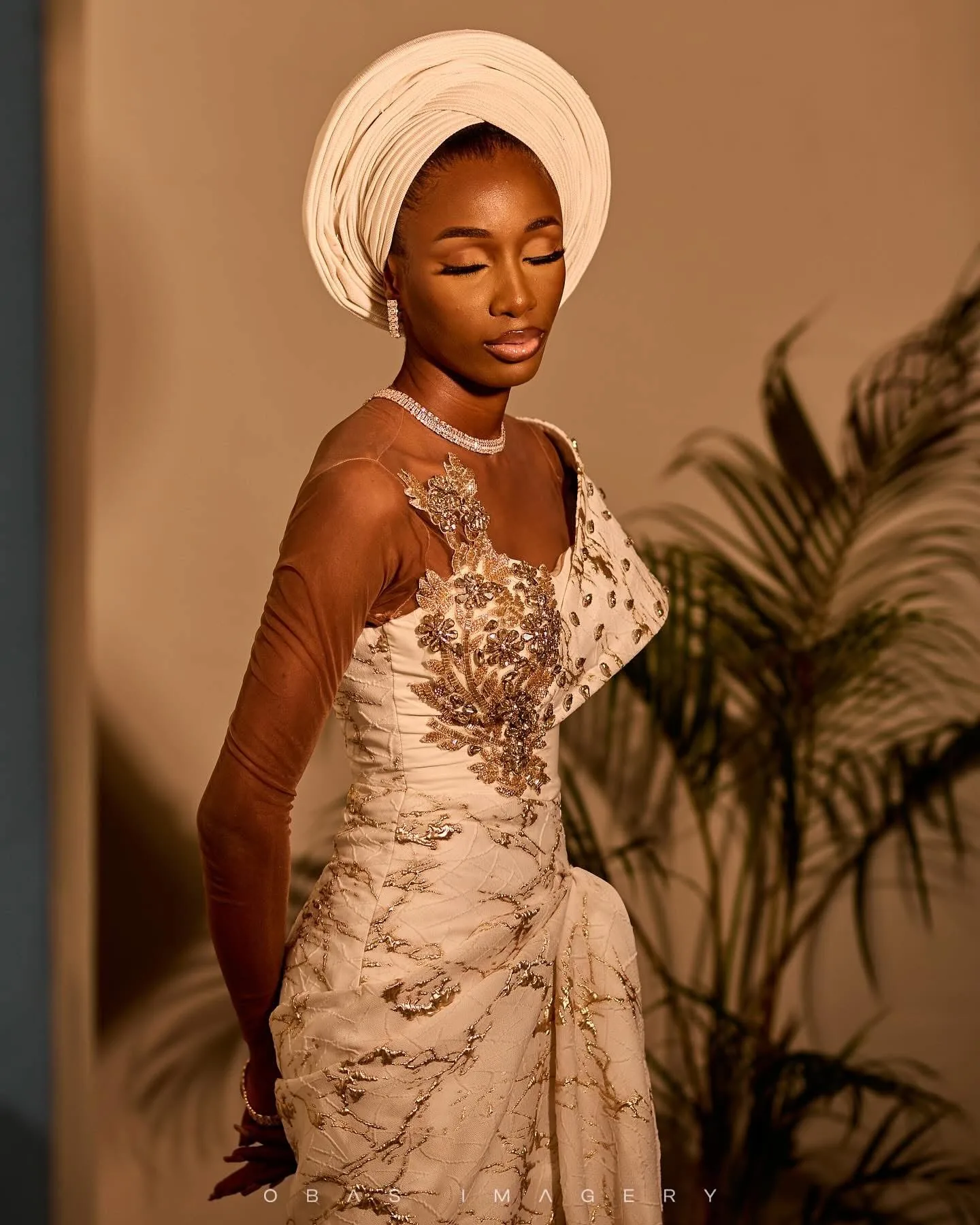
Reception dress colours
Many brides stay in white or ivory to keep the bridal thread running through the whole day. The reception is also where a lot of brides introduce colour for the first time. The most popular directions right now:
- Soft neutrals: champagne, blush, sand and rose-quartz for a gentle step away from white.
- Metallics and shine: gold, silver and sequin finishes for a dress built to catch light on the dance floor.
- Rich and dramatic: wine, emerald, midnight blue and black, increasingly common as second looks for brides who want impact.
Made to order, any of these styles can be produced in the exact shade you want, which is far harder to find on a rack.
When do you change into your reception dress?
There is no fixed rule, but most brides change at one of two moments. Some switch straight after the ceremony and formal photographs, so they enter the reception already in the second look. Others stay in the ceremony gown through dinner and the first part of the evening, then change before the dancing really begins, using the outfit change itself as a moment. Either works. Choose the point where you most want the shift in energy.
How to choose your reception dress
- Start with the venue and the vibe. A ballroom reception and a garden party call for different looks. Match the dress to the room and the mood you want.
- Prioritise movement. You will dance, sit, eat and hug for hours. Anything too tight or too heavy defeats the purpose of changing at all.
- Let fabric set the tone. Silk crepe, tulle and fine lace read bridal even in a short length. A plain satin mini can read more like eveningwear, which may or may not be what you want.
- Plan the entrance. This is your single most filmed moment. Clean lines and a clear silhouette photograph better than volume that hides your shape.
- Do not leave it late. Off-the-rack styles sell out and a made-to-measure piece needs lead time, so decide early rather than in the final weeks.
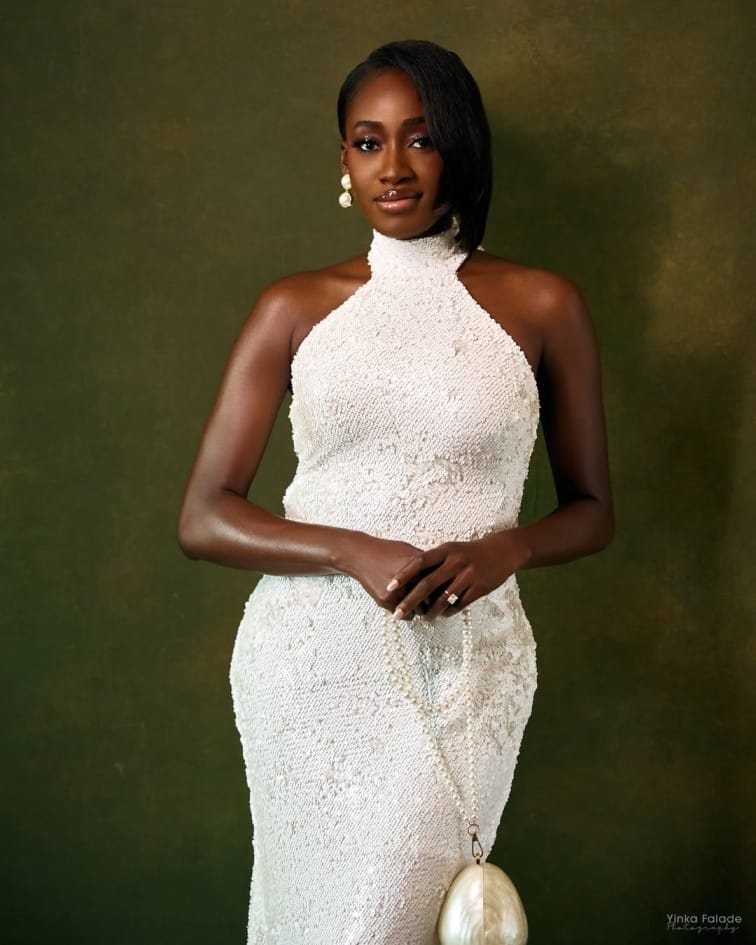
Off-the-rack vs made to measure
Most reception dresses are bought off the rack, and for many brides that is fine. But the reception is a close-up, high-movement setting, so fit is not a small detail here. It is the whole look. An off-the-rack second dress is quick, until it arrives and the bust gapes, the length is wrong for your height, or the exact colour you pictured does not exist, and there is no time left to fix any of it.
A made-to-measure reception dress removes all of that. You choose the style, the fabric and the colour, and it is built to your body. Nothing gapes, nothing drags, and the dress is genuinely yours rather than a size run designed for an average. For a look you will dance in for hours and be photographed in all night, that difference is worth a great deal.
The honest part: a good made-to-measure dress needs lead time. Whichever route you take, the single biggest mistake is deciding too late. Give any custom maker as much runway as you can, and the process stays calm and the finish stays flawless.
Have your reception dress made by Bojamiley
Bojamiley is a couture atelier that designs and makes bridal wear to measurement and ships worldwide, from Lagos to brides in New York, London, Toronto, Sydney, Dubai and beyond. Reception dresses are one of the things the house does best, precisely because a second look is so personal.
Whatever you have pictured, it can be made for you. A short tea-length dress in silk crepe. A bias-cut satin slip. A fitted mermaid with an open back. A tailored jumpsuit or a two-piece. A convertible design with a detachable skirt. A dramatic cape, or a heritage look in hand-beaded ivory and gold. Any style on this page, in your colour, built to your exact measurements across sizes 6 to 20.
It starts with a consultation, in studio or virtual, where you share your vision, your date and your venue. From there the atelier designs your reception dress, confirms a transparent quote, and makes it to fit, then ships it to you wherever your wedding is happening. You can see previous designs in the reception collection, or read how the custom process, cost and timeline work on our design consultation page.
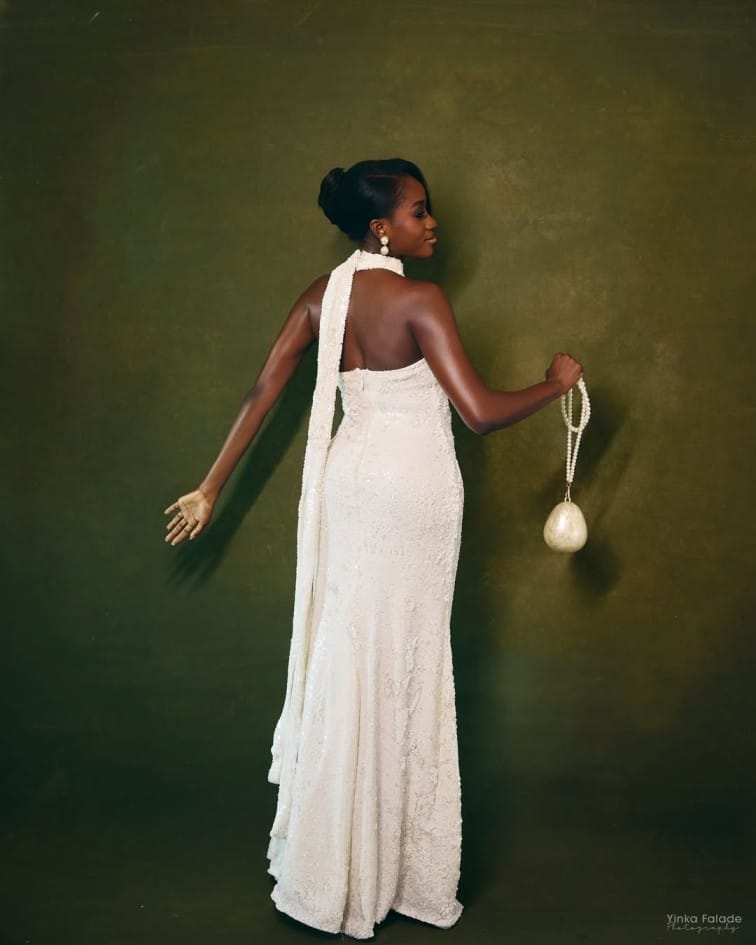
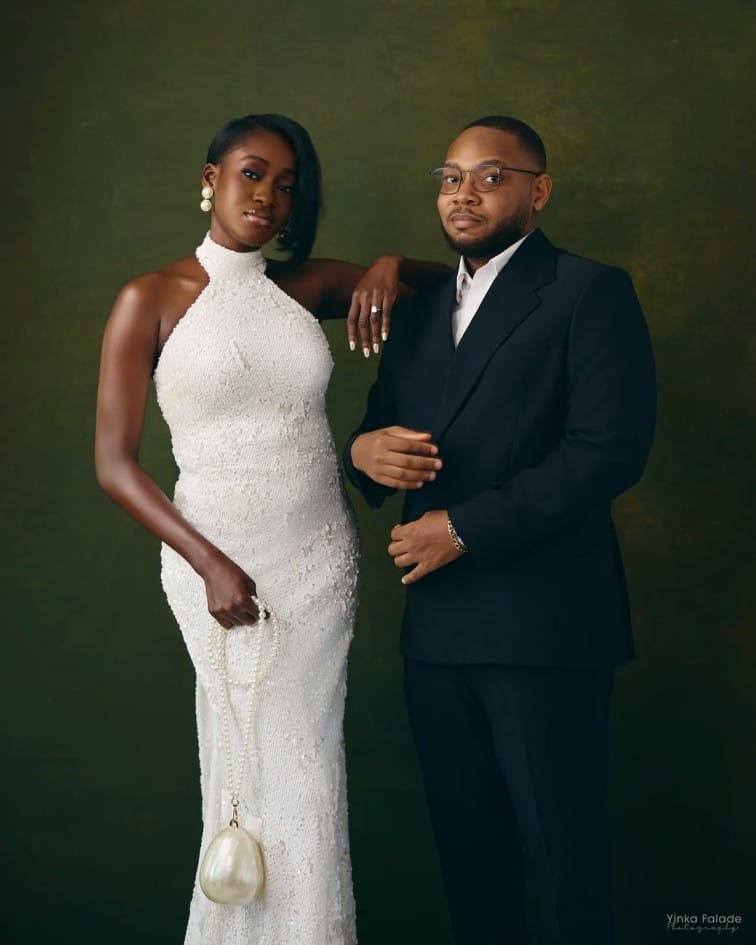
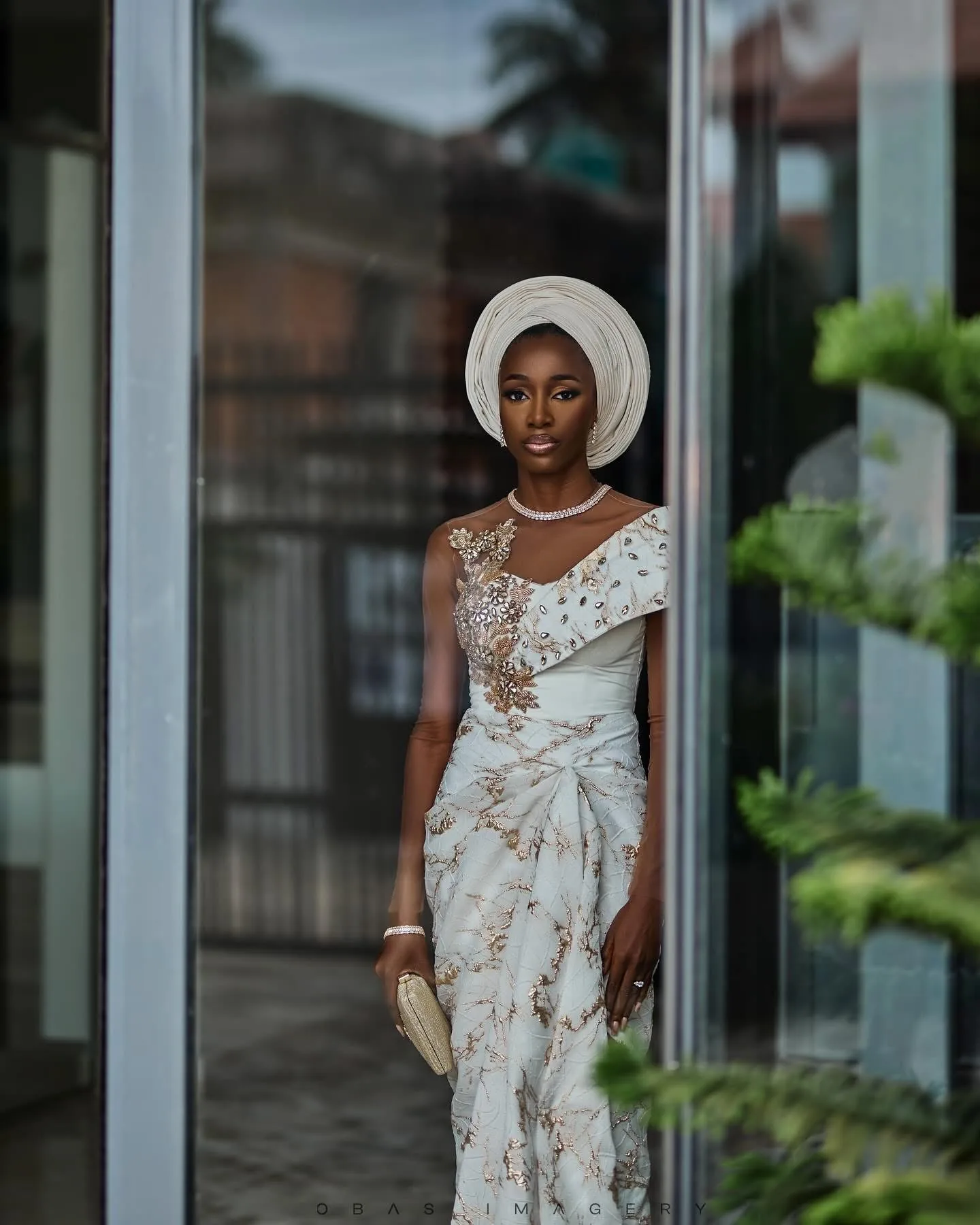
Have your reception dress made to fit, wherever you are
Tell us your style, your date and where in the world you are celebrating. We design your second look with you and make it to your exact measurements, then ship it to your door.
Wedding reception dress FAQ
Quick answers to the questions brides ask most about wedding reception dresses.
What is a wedding reception dress?
A wedding reception dress, also called a second dress or second look, is the outfit a bride changes into after the ceremony for the reception party. It is usually lighter and easier to move in than the ceremony gown, so she can enjoy the entrance, the first dance and hours of celebration without managing a heavy dress.
Do you need a second dress for your wedding reception?
No, it is optional. If your ceremony gown is comfortable enough to dance in, you can wear it all night. But many brides change because the ceremony gown is heavy, long or restrictive, and a lighter reception dress lets them move, dance and celebrate freely during the most social part of the day.
When do brides change into their reception dress?
There is no fixed rule. Some brides change straight after the ceremony and formal photographs so they enter the reception in the second look. Others stay in the ceremony gown through dinner and change before the dancing begins, using the outfit change as a moment in itself. Choose whichever point best suits the flow of your day.
What styles work best as a reception dress?
Styles that let you move and photograph well: short, tea-length or midi dresses, satin slips, fitted or mermaid silhouettes, jumpsuits, two-piece separates, and convertible designs with a detachable skirt. Lighter fabrics like silk crepe and fine lace keep a short dress looking bridal, while satin reads more like eveningwear.
Can my reception dress be a colour instead of white?
Yes. The reception is where many brides introduce colour. Soft neutrals like champagne and blush, metallics like gold and silver, and rich shades like wine, emerald, midnight blue and black are all popular second-look choices. A made-to-order dress can be produced in the exact shade you want.
How much does a custom reception dress cost?
Off-the-rack reception dresses vary widely in price. A made-to-measure reception dress is quoted based on the fabric, silhouette and detailing you choose. Bojamiley confirms a transparent quote after a short consultation, with made-to-order reception designs starting from around ₦300,000, and the USD or your local currency equivalent confirmed at consultation.
Can Bojamiley make any reception dress style to my measurements?
Yes. Whether you want a short tea-length dress, a satin slip, a fitted mermaid, a jumpsuit, a two-piece, a convertible design, a caped look or a heritage ivory-and-gold style, Bojamiley designs and makes it to your exact measurements in sizes 6 to 20, in your chosen colour. It begins with an in-studio or virtual consultation.
Can I order a reception dress if I am not in Nigeria?
Yes. Bojamiley works with brides around the world. Consultations are held virtually, you are guided through taking your own measurements, the dress is made in the Lagos atelier, and it is shipped to you wherever your wedding is held, from New York and London to Sydney, Toronto and Dubai.
How far in advance should I order a reception dress?
As early as you reasonably can. Off-the-rack styles sell out, and a made-to-measure dress needs time to design, fit and finish. Deciding early keeps the whole process calm and gives a custom maker the runway to deliver the best possible result. Confirm exact timelines at consultation.
Bojamiley is a luxury couture house that designs bridal, reception, and occasion wear to measurement and ships worldwide. From Lagos to the world.
