

 Cultural Couture
 Bespoke Bridal
 Ready-To-Wear
 Legacy Brides Initiative
African Fashion, fashion, ready to wear
What to Wear to a Nigerian Wedding | Guest Style Guide
Apr
You just got the invite. The jollof rice is guaranteed. The DJ will play Wizkid at least six times. But the group chat question that never gets old? “What are you wearing?”
If you’re not part of the aso ebi (the coordinated fabric that close family and friends of the couple buy and sew into matching outfits), figuring out what to wear to a Nigerian wedding can feel like navigating a glamour obstacle course. Too casual and you’ll stick out like someone who wandered in from the street. Too much and you risk upstaging the bridal party. Get the colour wrong and people will think you’re trying to sneak into the aso ebi photos.
Here’s the good news: you don’t need the family fabric to look incredible. Some of the best-dressed women at any Nigerian wedding are the ones who showed up in something entirely their own, a perfectly chosen outfit that says, “I came to celebrate, and I came correct.”
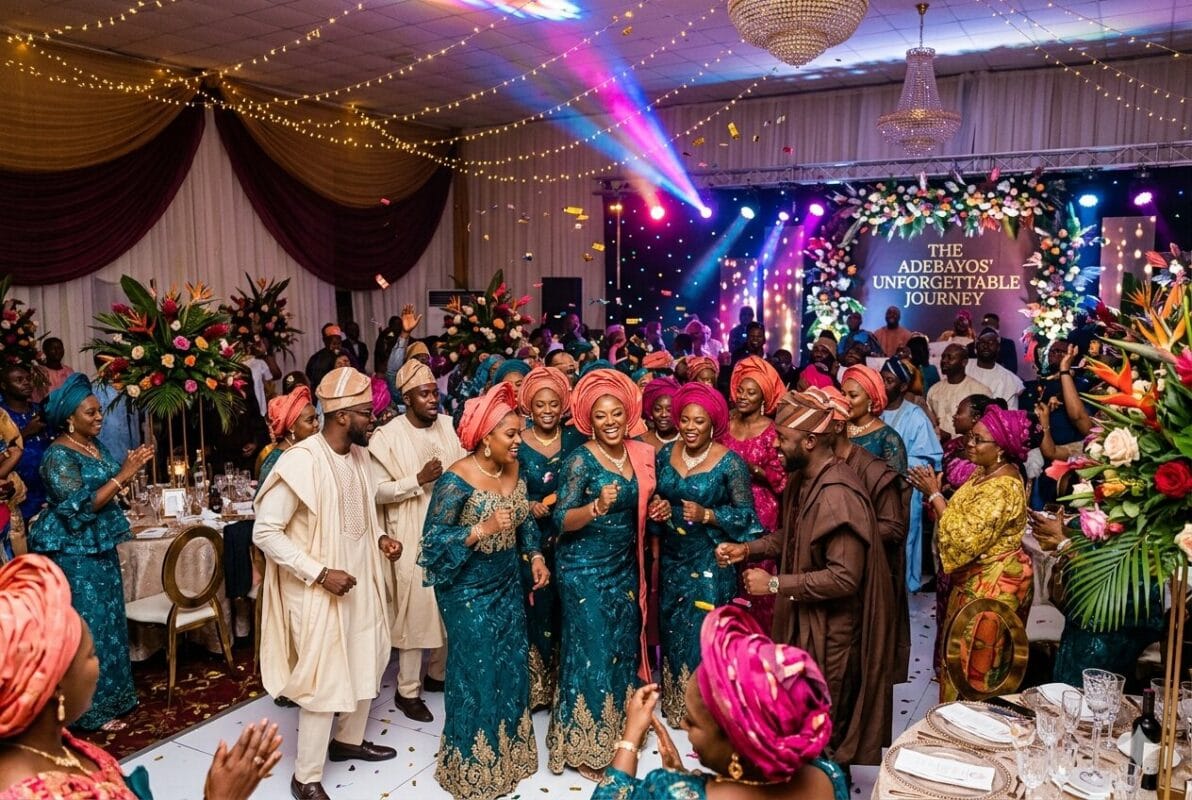
This guide breaks down everything you need to know about dressing as a guest at a Nigerian wedding, whether it’s a traditional engagement, a white wedding ceremony, a full-blown Lagos owambe reception, or all three in one day.
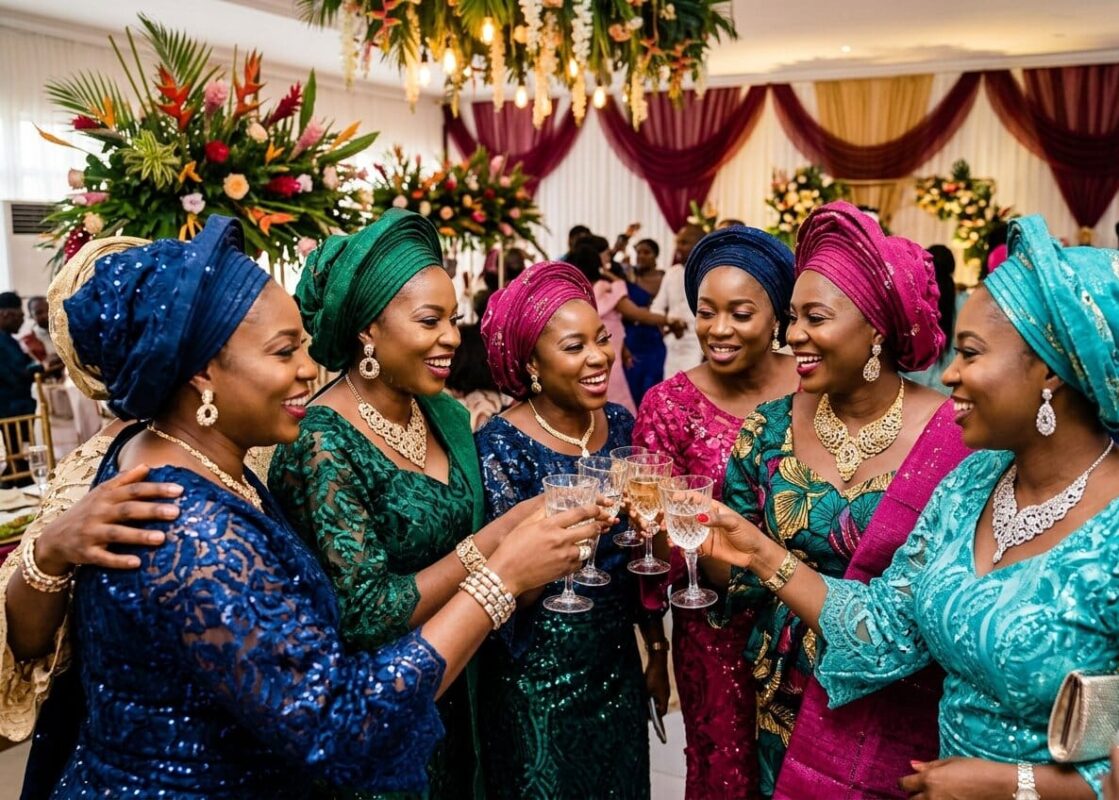
Understanding the Nigerian Wedding Dress Code
Before you start scrolling through outfit options, you need to understand how Nigerian wedding guest attire actually works. It’s not as simple as “dressy” or “formal.” There are layers to this.
The Aso Ebi System (And Why You Might Not Have It)
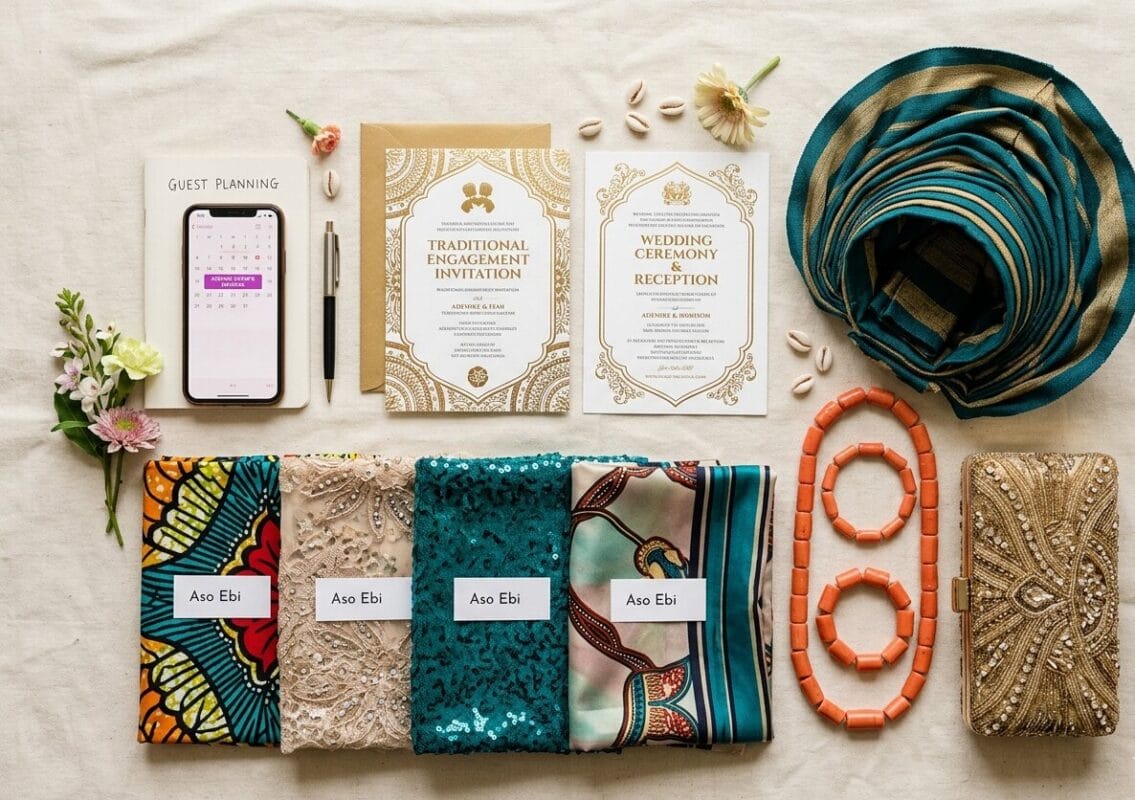
Aso ebi, which translates to “family cloth” in Yoruba, is a tradition where the couple’s family selects a specific fabric and sells it to close friends and relatives. Everyone who buys the fabric then takes it to a tailor and sews their own unique style from the same material. The result is a sea of coordinated colour that identifies which “side” you belong to at the wedding.
There are legitimate reasons you might not have aso ebi. Maybe you’re a colleague, a plus-one, a friend-of-a-friend, or you simply didn’t buy the fabric in time (those group chat deadlines are ruthless). Sometimes the aso ebi is expensive, with prices ranging from ₦7,000 to well over ₦50,000, and not everyone’s budget allows for it, especially during a busy wedding season.
None of that means you can’t look phenomenal. It just means your outfit choice needs a bit more intention.
The “Colour of the Day” Rule
Many Nigerian couples announce a colour of the day alongside the aso ebi. This is a specific colour that non-aso-ebi guests are encouraged to wear. It keeps the overall celebration looking cohesive in photos and on social media.
Always check for this. Ask the person who invited you, look at the invitation card closely, or check the couple’s wedding hashtag on Instagram. If there’s a colour of the day, build your outfit around it. If there isn’t one, you have free reign, but keep reading for the colours to avoid.
What You Should Never Wear
A few firm rules that apply across every Nigerian wedding, from a quiet court ceremony in Abuja to a 2,000-guest owambe in Lagos:
- White is reserved for the bride. This is non-negotiable. Even off-white, cream, or ivory can be read as disrespectful. The only exception is if the couple’s dress code explicitly calls for white.
- Avoid the exact colour and fabric of the aso ebi. Wearing the same shade of coral lace when the aso ebi is coral lace will create awkward conversations.
- Skip anything too revealing. Nigerian weddings often include traditional and religious ceremonies. You’ll be in the presence of elders, pastors, imams, and entire extended families. A plunging neckline or very short hemline can feel out of place, so save those for a different event.
- Don’t dress too casually. Jeans and a nice top? Not here. Nigerian weddings are a full-scale fashion event, and dressing down reads as disrespect to the couple and their families.
7 Outfit Ideas for a Nigerian Wedding (Without Aso Ebi)
Now for the part you came for. These are the outfit categories that consistently work for wedding guests who aren’t wearing the family fabric. Each one gives you the right balance of glamour, respect, and personal style.
1. A Fringed Midi Dress with African Patchwork
If you want to walk into a Nigerian wedding wearing something that feels deeply rooted in culture but looks completely contemporary, a dress with African textile patchwork is the move. It bridges the gap between traditional and modern in a way that Ankara or lace alone can’t always achieve.
The ARAIRE from Bojamiley’s Evolve Collection is built for exactly this moment. It’s a fringed midi dress with detachable patchwork, crafted from eco-silk blends in a gorgeous Amethyst Wonder colourway. What makes it a standout wedding guest choice is its versatility: wear it with the patchwork panel attached for a bohemian, textural statement at the traditional ceremony, then detach it for a sleek, structured mini dress at the reception. One outfit, two completely different looks, zero outfit changes in a bathroom stall.
The fringe detailing adds movement and visual interest that photographs beautifully (and looks incredible on the dance floor). Pair it with gold accessories and block heels for an effortlessly polished finish.
Shop the ARAIRE in the Evolve Collection →
2. A Statement Lace Dress
Lace is the fabric of choice for many Nigerian celebrations, and a beautifully constructed lace dress will never be wrong at a wedding. The trick is to make sure your lace colour doesn’t match the aso ebi colour exactly.
Choose a rich, deep colour like burgundy, teal, navy, or champagne and have it made in a figure-flattering silhouette. Nigerian lace styles tend to be more structured and detailed than Western cocktail dresses, so look for styles with interesting necklines, bell sleeves, or mermaid hems.
Bojamiley is your go-to for a well tailored custom look!
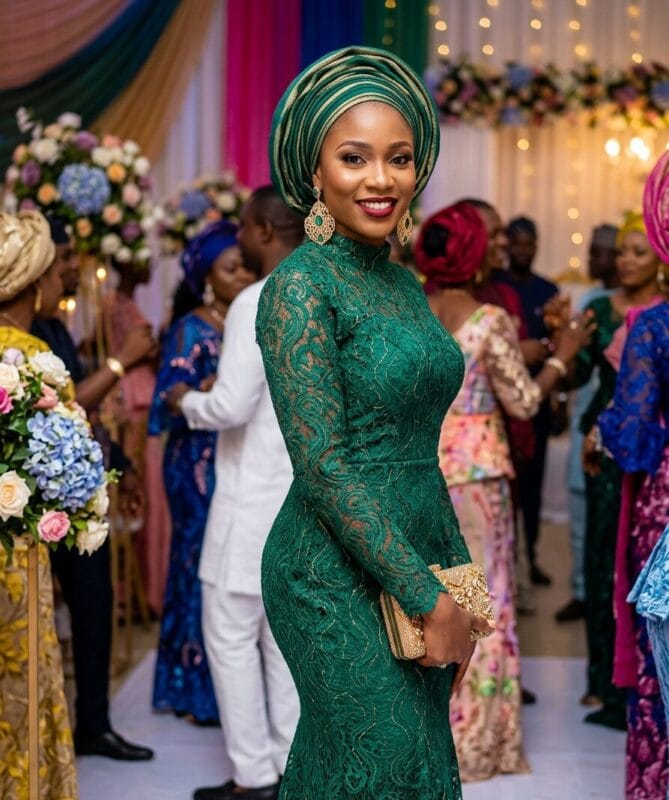
3. A Ready-to-Wear Occasion Dress
Here’s where things get interesting for the modern wedding guest: the woman who doesn’t have time to buy fabric, find a tailor, schedule three fittings, and pray the outfit is ready by Saturday.
Ready-to-wear occasion dresses are the smartest shortcut for wedding season. You get the luxury feel, the perfect fit, and zero tailor drama. Brands like Bojamiley are designing ready-to-wear pieces specifically for women who move between cultural events and contemporary life.
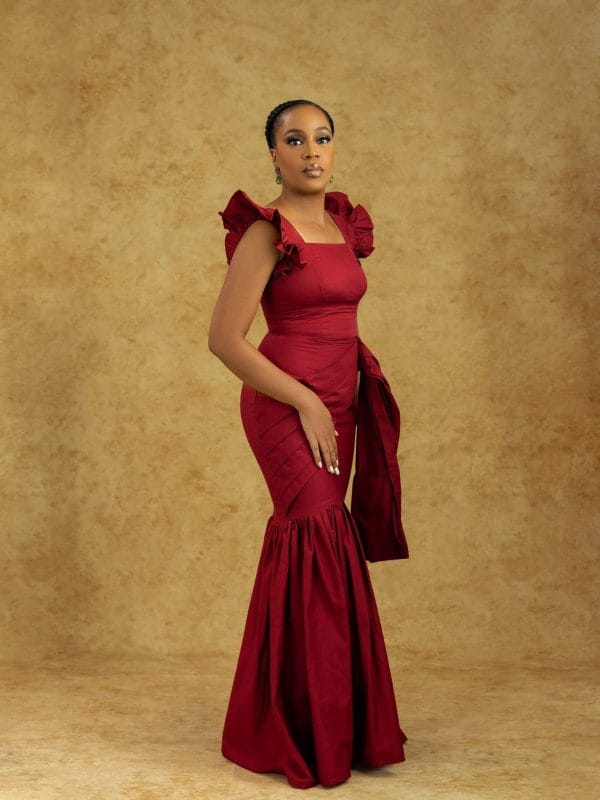
Take the ADUN from Bojamiley’s Evolve Collection: a wine red ruffle-sleeve fishtail gown that was practically built for a wedding reception. The colour is rich enough to hold its own in an owambe crowd, the fishtail silhouette is dramatic without being over the top, and the ruffle sleeves add personality. You can order it online, skip the tailor entirely, and show up looking like you spent months planning.
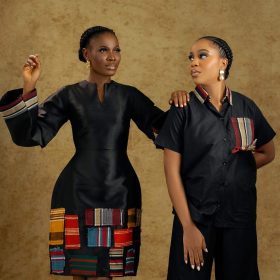
For something with cultural depth, the AYANMOIRE is a standout. This black dress features multicolour Aso Oke patchwork, handwoven fabric that’s traditionally associated with Yoruba celebrations. It’s modern enough for a white wedding reception but culturally grounded enough for a traditional ceremony. Available as a dress or a two-piece set, so you can choose the silhouette that suits you best.
Shop the AYANMOIRE in the Evolve Collection →
4. A Kaftan or Boubou (The “Rich Aunty” Energy)
If you want to walk into a Nigerian wedding and command instant respect, wear a kaftan or boubou: the flowing, floor-length garment that Nigerians affectionately associate with wealth and elegance. There’s a reason it’s called “rich aunty” dressing. You look expensive, you look comfortable, and you look like someone who has been attending society weddings for years.
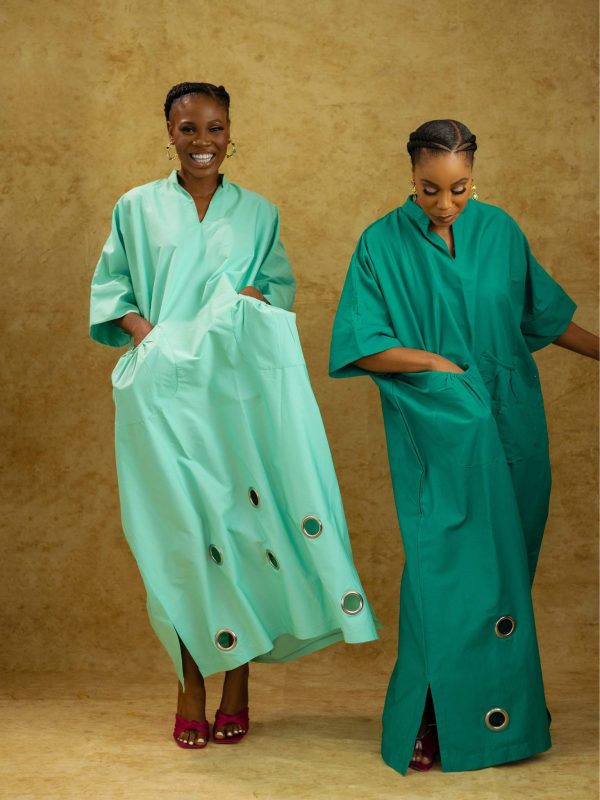
The BLOOM kaftan from Bojamiley’s Evolve Collection reimagines this classic silhouette in eco-recycled cotton with eyelet details. Available in Mint Serenity and Emerald Vitality, it gives you that sweeping, glamorous kaftan energy while being lighter and more breathable than traditional heavy fabrics. Perfect for Lagos heat. Pair it with oversized gold earrings and flat embellished sandals for a daytime traditional ceremony, or add heels and a bold clutch for the evening reception.
See the BLOOM in the Evolve Collection →
5. A Corset Top and Wide-Leg Trouser Set
Two-piece sets have become one of the most popular Nigerian wedding guest outfit options in recent years, and for good reason. They give you the polished look of a gown with more versatility, since you can re-wear the top and bottom separately for other events.
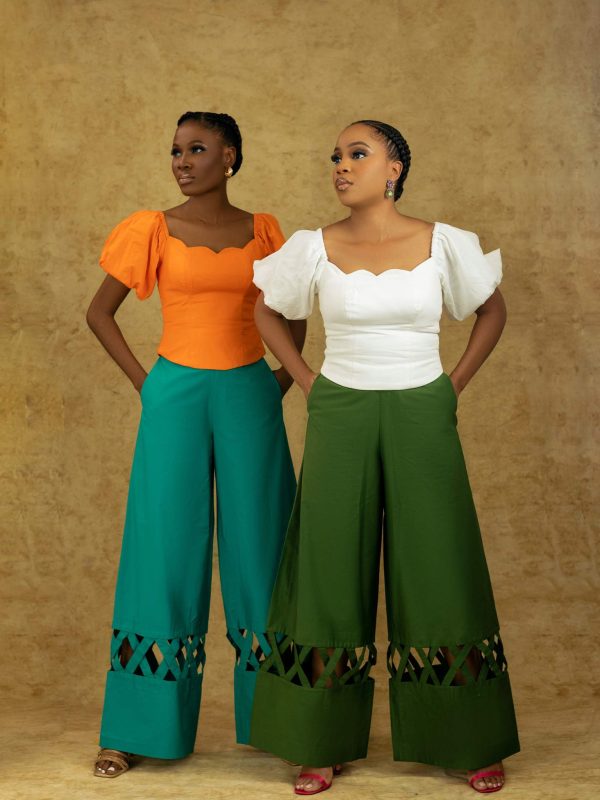
The ZURI set from Bojamiley pairs a puff-sleeve corset top with wide-leg trousers featuring a cutout hem. The structured top brings the drama, while the wide-leg trousers keep things elegant and comfortable enough for hours of dancing. This is the kind of outfit that works beautifully for a white wedding ceremony and can transition straight to the reception with just an accessory swap.
6. A Fishtail Gown with Statement Sleeves
For the guest who wants to make an entrance without saying a word, a fishtail gown is the ultimate power move. The silhouette is inherently dramatic (fitted through the body, flaring at the knee), and when you add interesting sleeve details, the effect is unforgettable.
The ADUN from the Evolve Collection is a wine red ruffle-sleeve fishtail gown that commands attention from every angle. The deep wine colour reads as rich and intentional, the ruffle sleeves frame your face and shoulders beautifully, and the fishtail hem gives you that sweeping, regal movement as you walk. This is the dress for the woman who wants to look like she belongs on a best-dressed list.
Style it with gold statement earrings and strappy heels for the reception, or pair it with a complementary clutch and coral accessories for a traditional ceremony.
7. A Mesh Kimono Layered Look
For the creative dresser (the guest who always brings something unexpected), a layered look with a kimono or cover-up over a sleek base is a conversation starter.
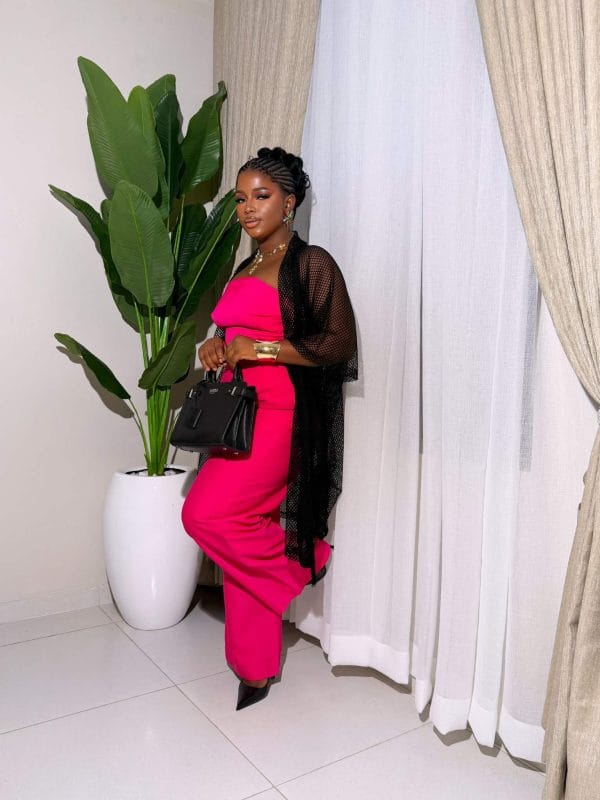
The BREEZ set from Bojamiley includes wide-leg trousers, a black mesh kimono, and a bodysuit. The mesh kimono adds an architectural element that makes the outfit look editorial, while the bodysuit and trousers keep everything streamlined underneath. This is especially strong for a cocktail-style reception or an evening wedding celebration.
How to Dress for Each Part of a Nigerian Wedding
One thing that surprises first-time Nigerian wedding guests: there are often multiple events, and each one has a different vibe. Here’s how to adjust your outfit approach for each.
The Traditional Engagement (Introduction)
This is the most culturally significant ceremony, usually held at the bride’s family home or a small venue. The dress code leans heavily traditional.
Best outfit choices: Ankara, Aso Oke-detailed pieces like the AYANMOIRE, lace with a gele, or a boubou/kaftan like the BLOOM. Adding a gele headwrap and coral or gold beads shows cultural respect and elevates your look.
The White Wedding (Church or Court Ceremony)
This follows a more Western format, usually in a church, mosque, or registry. The dress code is more formal and conservative.
Best outfit choices: A midi or floor-length dress with sleeves (the ADUN wine red fishtail gown works beautifully here), a tailored two-piece, or an elegant gown. Avoid showing too much skin, especially in religious venues. Keep accessories polished but understated.
The Reception (Owambe)
This is where the real party happens. The DJ, the food, the money spraying, the dance floor battles. The reception is a full-on celebration, and your outfit should match the energy.
Best outfit choices: Your most glamorous option. The ADUN fishtail gown, the ZURI corset-and-trouser set, or any outfit that lets you dance comfortably while looking like a magazine cover. This is where bold colours, statement sleeves, and dramatic silhouettes shine.
Accessory Rules Every Nigerian Wedding Guest Should Know
Your outfit is only part of the equation. At a Nigerian wedding, accessories can make or break your look.
Gele (Head Tie): If you’re attending a traditional ceremony or reception and wearing traditional attire, a gele is almost expected. You can hire a gele tier (yes, this is a profession) to wrap yours on the day, or opt for a pre-tied gele for convenience. If you’re wearing a more Western-style outfit, skip the gele and go with statement earrings or a fascinator instead.
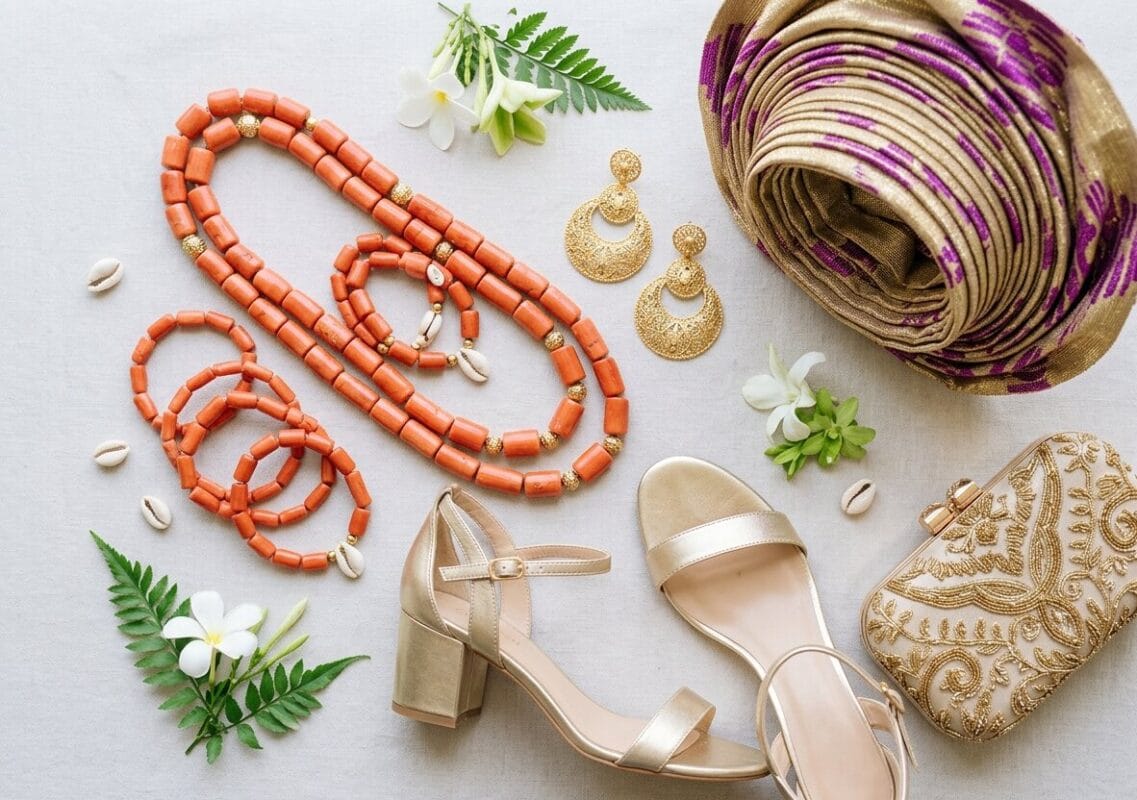
Jewellery: Bold is better. Nigerian wedding guests are known for statement necklaces, oversized earrings, and layered bracelets. Gold tones are universally flattering. Coral beads are traditional and always appropriate at Yoruba and Benin events.
Bags: A clutch or small crossbody is practical. Keep it light because you’ll be eating, greeting, dancing, and taking photos. Avoid large handbags. And as seasoned owambe attendees will tell you, make sure your bag fits your phone securely.
Shoes: This is not the event for brand-new stilettos you haven’t broken in. Block heels, kitten heels, or elegant flats are your best friends. Nigerian wedding celebrations can run for hours, and the dance floor is where the real memories are made. You need shoes that let you move.
Colour Guide: What Works and What to Avoid
Choosing the right colour is half the battle. Here’s a quick reference:
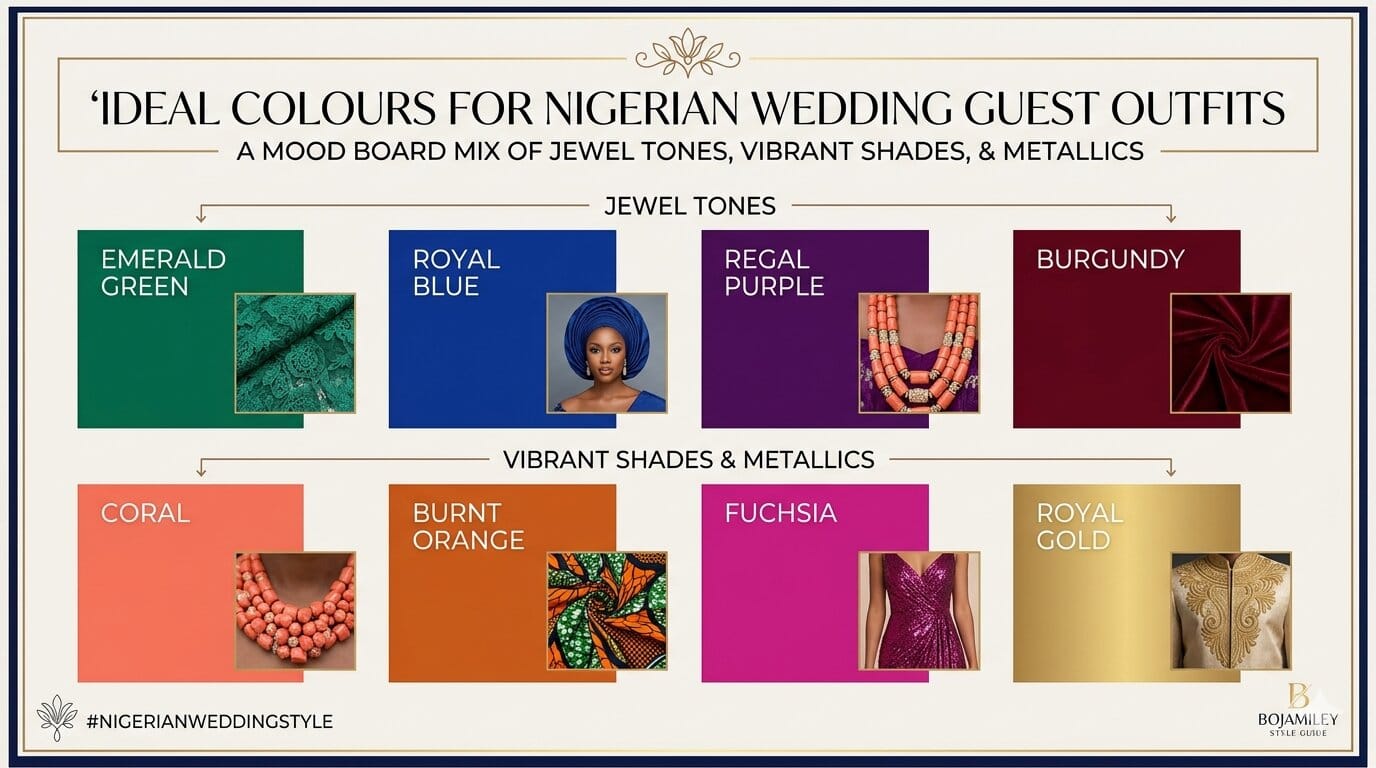
Colours that always work for Nigerian wedding guests: Rich jewel tones (emerald, sapphire, burgundy, deep purple), warm metallics (gold, champagne, bronze), bold brights (fuchsia, cobalt, tangerine), and classic black. Yes, black is acceptable at Nigerian weddings, unlike some Western traditions.
Colours to approach with caution: Red can be fine, but at some events it’s associated with the mother of the bride. Check before committing. Pastels can sometimes feel too understated for the vibrancy of a Nigerian celebration.
Colours to absolutely avoid: White, ivory, cream, and anything close to the aso ebi colour. When in doubt, ask someone in the know before finalising your outfit.
Where to Find Wedding-Ready Outfits (Without the Tailor Stress)
The traditional route (buying fabric from Balogun Market, finding a tailor, praying for timely delivery) works for many women, but it’s not the only option anymore.
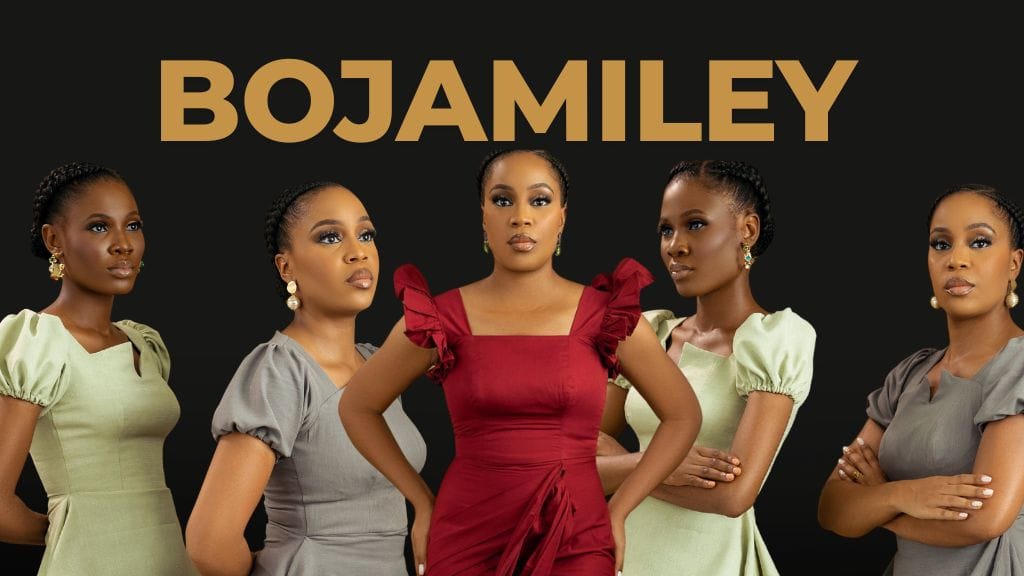
Ready-to-wear fashion brands are closing the gap between the custom tailoring tradition and the modern woman’s schedule. The Bojamiley Evolve Collection was designed with exactly this woman in mind: luxury quality, considered design, and the ability to buy today and wear Saturday. Every piece in the collection is crafted from sustainable fabrics including eco-recycled cotton, organic blends, and handwoven Aso Oke, so you’re not just looking good, you’re making a conscious choice.
For guests attending multiple weddings in a season (and in Nigeria, that’s most of us), having a few go-to ready-to-wear pieces means you’re always prepared. Pair the BLOOM kaftan with different accessories for three different weddings and it looks like three different outfits. Wear the ADUN fishtail gown to the reception and layer the BREEZ mesh kimono over a bodysuit for the after-party.
Explore the full Bojamiley Evolve Collection →
Final Thoughts: Your Outfit Is Your Celebration
A Nigerian wedding is not just an event. It’s an experience. The food, the music, the energy, the sheer joy of watching two families come together. Your outfit is your way of honouring that celebration. It says, “I showed up. I put in effort. I’m here to rejoice with you.”
You don’t need aso ebi to do that beautifully. You need an outfit that fits well, feels right, and gives you the confidence to dance, eat, take photos, and enjoy every moment of the celebration.
Whether you choose a hand-tailored Ankara gown, a carefully selected lace dress, or a modern ready-to-wear piece from the Bojamiley Evolve Collection, the goal is the same: show up as your best self and let the good times roll.
Shop Wedding-Ready Pieces from Bojamiley →
For brides reading this and thinking about their own wedding fashion, Bojamiley also offers custom bridal design and consultation at their Lagos atelier, from traditional bridal attire to white wedding gowns. DM @bojamiley on Instagram to start your bridal journey.
Frequently Asked Questions (FAQ)
What do you wear to a Nigerian wedding if you don’t have aso ebi?
You can wear Ankara, lace, a kaftan or boubou, or a ready-to-wear occasion dress in a colour that complements the wedding’s theme. Check whether the couple has announced a “colour of the day” and build your outfit around that. Avoid white and the exact colour of the aso ebi. Brands like Bojamiley’s Evolve Collection offer luxury ready-to-wear pieces designed for exactly these occasions.
Can I wear black to a Nigerian wedding?
Yes, black is acceptable at most Nigerian weddings, unlike some Western traditions where it’s avoided. A well-styled black outfit, such as the AYANMOIRE dress with its colourful Aso Oke patchwork on a black base, can look elegant and celebratory. Just make sure to accessorise with vibrant jewellery or a bold clutch so the look feels festive rather than sombre.
What is the dress code for a traditional Nigerian wedding ceremony?
Traditional Nigerian wedding ceremonies call for culturally respectful attire. Ankara, lace, Aso Oke, or a kaftan/boubou paired with a gele headwrap and beaded accessories is ideal. The dress code is more conservative than the reception, so opt for longer hemlines and modest necklines. If you’re unsure, ask the couple or family member who invited you about any specific expectations.
Do I need a gele headwrap for a Nigerian wedding?
A gele is not strictly required, but it’s a beautiful addition to traditional attire at a Nigerian wedding. If you’re wearing Ankara, Aso Oke, or lace to a traditional ceremony or reception, a gele shows cultural respect and completes the look. For a white wedding or a more Western-style outfit, statement earrings, a fascinator, or a sleek hairstyle are equally appropriate alternatives.
Can I buy a ready-made outfit for a Nigerian wedding instead of using a tailor?
Absolutely. Ready-to-wear fashion has grown significantly in Nigeria, and brands now offer wedding-appropriate pieces you can order online and wear immediately. The Bojamiley Evolve Collection features luxury occasion dresses, kaftans, and two-piece sets in sizes XS to 5XL, crafted from sustainable fabrics. If you prefer a completely one-of-a-kind look, Bojamiley also offers custom design: visit their site or DM @bojamiley on Instagram to enquire.
