

 Cultural Couture
 Bespoke Bridal
 Ready-To-Wear
 Legacy Brides Initiative
African Fashion, fashion, Style, sustainable fashion
How Nigerian Brides Choose Their Wedding Dress: Tradition, Culture, and Modern Elegance
Mar
Few moments in a Nigerian wedding journey carry as much emotional weight as the moment a bride chooses her wedding dress. In Nigeria, bridal fashion is not merely about aesthetics—it is a powerful expression of identity, heritage, status, and personal style. From the intricate weaving of Aso-Oke to the sculptural elegance of modern couture gowns, a Nigerian wedding dress embodies generations of cultural tradition while reflecting the bride’s contemporary vision.
Introduction
Across Lagos, Abuja, Port Harcourt, and diaspora communities around the world, brides invest months—sometimes years— researching, designing, and refining their bridal look. The wedding dress becomes more than clothing; it becomes a statement of family pride, cultural storytelling, and individual elegance.
Today, Nigerian bridal fashion stands among the most influential wedding aesthetics globally. Rich textiles, vibrant colors, regal silhouettes, and couture craftsmanship have elevated Nigerian wedding attire into a symbol of African luxury fashion. This article explores how Nigerian brides choose their wedding dress—examining the cultural influences, decision-making process, modern fashion trends, and the role of designers in creating unforgettable bridal moments.
In Nigeria, a wedding dress is rarely just a dress. It is a visual language of heritage, family pride, femininity, and occasion.
The Cultural Importance of Bridal Fashion in Nigeria
Weddings as Cultural Celebrations
In Nigeria, weddings are far more than a union between two individuals. They represent the coming together of families, communities, and ancestral traditions. Unlike many Western ceremonies where weddings are intimate gatherings, Nigerian weddings are often grand celebrations that host hundreds or even thousands of guests. Music, dance, food, and elaborate attire transform the occasion into a cultural spectacle.
The bride’s attire therefore carries symbolic importance. Her outfit communicates family heritage, cultural identity, social elegance, and personal taste. A bride’s appearance is often seen as a reflection of her family’s dignity and celebration of tradition.
Bridal Fashion as Heritage
Traditional Nigerian bridal attire varies significantly between ethnic groups, but all share one common theme: regal presentation. A Nigerian bride is expected to look radiant, dignified, and unforgettable. Her attire often incorporates handwoven textiles, intricate embroidery, traditional headpieces, symbolic jewelry, and vibrant colors representing prosperity and joy.
These elements transform the bride into the visual centerpiece of the ceremony. Today, modern luxury bridal designers in Nigeria continue to reinterpret these cultural symbols into contemporary couture, allowing brides to celebrate heritage while embracing modern elegance.
Traditional vs Modern Nigerian Weddings
The Traditional Engagement Ceremony
In most Nigerian cultures, the wedding process begins with a traditional engagement ceremony. This event—known by different names depending on the ethnic group—honors ancestral customs and family lineage.
- Among the Yoruba, the ceremony is often known as the introduction or engagement ceremony.
- Among the Igbo, it is often referred to as the Igba Nkwu or wine-carrying ceremony.
- In northern Nigeria, Hausa weddings incorporate elaborate cultural rites and celebratory gatherings.
At these ceremonies, the bride typically wears traditional Nigerian bridal attire made from culturally significant fabrics. These outfits may include Aso-Oke ensembles, lace wrappers and blouses, coral bead jewelry, and dramatic headpieces like the gele. The colors are often bold—deep wine, royal blue, gold, and emerald green—reflecting prosperity and celebration.
The White Wedding
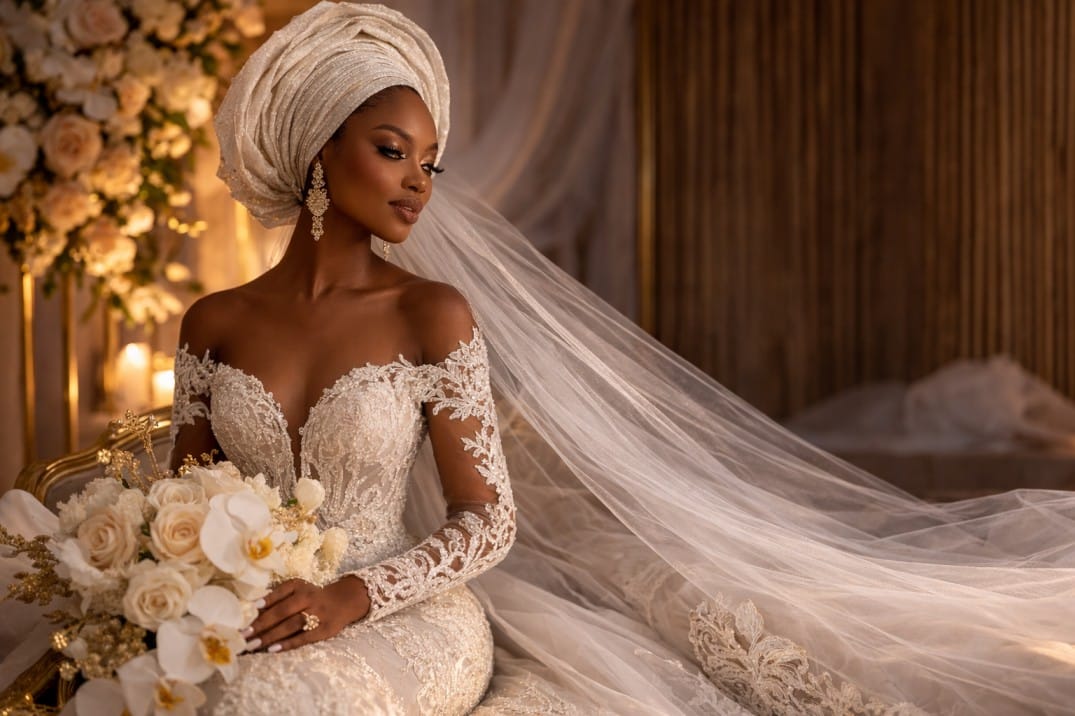
The second major ceremony is the white wedding, influenced by Western traditions introduced through colonial history and Christian ceremonies. During the white wedding, the bride typically wears a classic wedding gown, often in white or ivory. However, Nigerian brides rarely settle for ordinary bridal styles. Instead, they commission couture gowns with dramatic trains, structured corsetry, hand-beaded lace, and sculptural silhouettes.
Many brides also change outfits during the reception, showcasing a second look that blends modern fashion with cultural influences. The result is a bridal wardrobe that feels layered, expressive, and entirely personal.
Cultural Influences on Nigerian Bridal Style
Nigeria is home to more than 250 ethnic groups, and this diversity has produced one of the most visually rich bridal fashion traditions in the world.
Yoruba Bridal Traditions
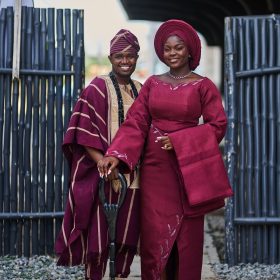
Yoruba bridal attire is among the most recognizable in Nigerian wedding culture. The centerpiece is the Aso-Oke bridal outfit, a handwoven textile traditionally produced in southwestern Nigeria. A typical Yoruba bridal ensemble may include the iro (wrapper skirt), buba (blouse), gele (headwrap), and an ipele or shawl, often finished with coral bead jewelry.
Aso-Oke fabrics are known for their textured weave and luxurious presence. Modern designers now create Aso-Oke bridal gowns, structured skirts, and corseted tops that translate traditional fabric into contemporary couture.
Igbo Bridal Attire
Igbo bridal fashion emphasizes elegance, symbolism, and cultural pride. A traditional Igbo bride may wear a richly embroidered blouse, a wrapper made from George or lace fabric, coral bead necklaces, and decorative headpieces or crowns.
The wine-carrying ceremony, where the bride presents palm wine to her groom, is one of the most iconic moments in Igbo weddings— and the bride’s attire is central to its drama and significance.
Hausa Wedding Fashion
Northern Nigerian bridal fashion reflects Islamic influences and regal modesty. Hausa brides often wear flowing embroidered gowns, elaborate veils, gold jewelry, and decorative henna designs known as lalle. The overall aesthetic emphasizes sophistication, refinement, and intricate craftsmanship.
The Importance of Bridal Fabrics
Fabric selection plays a central role in Nigerian bridal fashion. Textiles are not chosen casually; they carry visual, cultural, and emotional meaning.
Aso-Oke
A handwoven fabric associated with heritage, prestige, and ceremonial dressing.
Lace
Widely used for modern wedding gowns and elegant traditional attire.
George
A richly embroidered textile especially popular in Igbo bridal dressing.
Ankara
A vibrant wax-print fabric often used for bridal receptions, after-parties, or pre-wedding events.
The Nigerian Bride’s Decision Process
Selecting the perfect Nigerian wedding dress is a thoughtful and often emotional journey. For many brides, the process begins long before the engagement is even formalized.
1. The Inspiration Phase
Most brides begin their search months before the wedding. Inspiration often comes from bridal magazines, Instagram, Pinterest, celebrity weddings, fashion lookbooks, and designer portfolios. Nigerian brides also pay close attention to what feels culturally rooted, flattering on their body type, and memorable enough for a major family celebration.
2. Budget Considerations
Budget is an important part of the decision-making process. Custom bridal dresses in Nigeria vary widely depending on the designer’s reputation, the quality of fabric, the amount of hand embellishment, and the complexity of the design. Luxury couture pieces created by Lagos bridal designers can range from several hundred thousand naira to several million.
3. Choosing a Designer
Selecting the right designer is one of the most important steps. Brides often look for designers who understand their cultural background, have a strong couture portfolio, offer customization and fittings, and are known for reliable craftsmanship.
Bridal houses such as Bojamiley are especially relevant in this space because they combine elegant bridal couture with culturally inspired design language—an approach many modern Nigerian brides actively seek.
4. Fabric Selection
Fabric selection shapes the entire mood of the look. Brides usually consult designers to choose materials that complement the ceremony type, venue, season, and their personal style. For traditional ceremonies, an Aso-Oke bridal outfit remains one of the most prestigious options.
5. Fittings and Customization
Custom bridal gowns typically require multiple fittings. During these sessions, designers refine the silhouette, embellishments, fit, comfort, and styling details. The result is a couture piece tailored not only to the bride’s body, but also to the emotional significance of the day.
Modern Trends in Nigerian Bridal Fashion
Nigerian bridal fashion continues to evolve rapidly as designers experiment with new forms of luxury craftsmanship and modern femininity.
Luxury Aso-Oke Bridal Outfits
Designers are increasingly transforming Aso-Oke into dramatic bridal gowns, corseted dresses, and structured skirts. This trend celebrates heritage while placing it firmly within the language of high fashion.
Minimalist Bridal Gowns
Many modern brides are gravitating toward sleek, minimalist silhouettes that emphasize clean lines, elegant tailoring, and quiet sophistication. These gowns are ideal for brides who want timelessness over excess.
Structured Silhouettes
Sculptural gowns with dramatic shapes have become especially popular. Ball gowns, mermaid silhouettes, corseted bodices, and cathedral-length trains all create a sense of grandeur that resonates strongly with Nigerian bridal culture.
Cultural Fusion Styles
One of the most exciting movements in contemporary Nigerian bridal fashion is the fusion of traditional fabrics with Western bridal forms. Designers now create Aso-Oke corset gowns, lace dresses with African beadwork, and ceremonial looks that feel both globally refined and deeply rooted in Nigerian identity.
The modern Nigerian bride is not choosing between heritage and fashion. She is choosing how beautifully to merge them.
The Role of Designers in Creating a Dream Bridal Look
Behind every extraordinary bridal look is a designer who understands how to translate imagination into couture. Bridal designers do far more than sew garments—they guide brides through a creative process that includes concept development, fabric direction, silhouette refinement, embellishment choices, and final styling.
Designers help brides interpret inspiration images, choose flattering forms, select culturally meaningful textiles, and achieve the perfect fit through fittings and careful technical adjustments.
Brands such as Bojamiley have become part of this new generation of Nigerian luxury bridal houses, known for elegant craftsmanship and designs that honor both cultural storytelling and contemporary sophistication. For brides seeking refinement without losing cultural depth, this kind of design house offers more than a dress—it offers authorship of a bridal identity.
Tips for Brides Choosing Their Wedding Dress
Start Early
Begin researching designers and styles at least 6 to 9 months before the wedding. Couture requires time.
Understand Your Wedding Format
Your look should reflect whether you are dressing for a traditional ceremony, a white wedding, or both.
Choose a Designer Who Understands Your Vision
Look for a bridal designer with experience in custom work, bridal structure, and traditional Nigerian styling.
Prioritize Comfort
You will spend many hours in your dress. Beauty matters, but ease of movement matters too.
Respect Cultural Elements
Traditional fabrics, accessories, and family preferences can add depth and meaning to the final look.
Frequently Asked Questions
What do Nigerian brides traditionally wear?
Nigerian brides traditionally wear culturally specific attire depending on their ethnic background. Yoruba brides often wear Aso-Oke bridal outfits, Igbo brides may wear embroidered wrappers with coral beads, and Hausa brides often appear in elegant embroidered gowns with veils and gold accessories.
What is Aso-Oke bridal fashion?
Aso-Oke is a traditional handwoven Yoruba fabric used for important ceremonial attire. In bridal fashion, it is used for wrappers, blouses, shawls, gele, and increasingly for modern couture gowns and structured bridal separates.
When should a bride start designing her wedding dress?
Ideally, a bride should begin 6 to 12 months before the wedding. This allows enough time for consultations, sketching, fabric sourcing, fittings, alterations, and finishing.
How much does a custom bridal dress cost in Nigeria?
The price of a custom bridal dress in Nigeria depends on the designer, fabric, embellishments, and level of hand-finishing involved. Costs can range from a few hundred thousand naira to several million naira for luxury couture.
Are Nigerian brides wearing more modern gowns today?
Yes. Many brides now blend tradition with modernity—wearing cultural attire for their traditional ceremony and couture gowns for the white wedding or reception.
Why are Lagos bridal designers so influential?
Lagos is one of the fashion capitals of Africa, and many of the country’s leading bridal brands operate there. This concentration of creativity, craftsmanship, and luxury clientele has helped position Lagos bridal designers as major voices in contemporary African bridal fashion.
Conclusion
Nigerian bridal fashion stands at the intersection of tradition, artistry, and modern elegance. From the regal symbolism of Aso-Oke bridal outfits to the architectural beauty of couture wedding gowns, Nigerian brides continue to redefine what it means to celebrate love through fashion.
As African designers gain international recognition and Nigerian weddings continue to captivate global audiences, the influence of Nigerian bridal fashion is only growing stronger. For today’s bride, choosing a wedding dress is not just about style—it is about honoring heritage, expressing identity, and stepping into one of life’s most meaningful moments with confidence and grace.
In that moment, when tradition meets couture, a Nigerian bride becomes the embodiment of culture, elegance, and timeless beauty.
